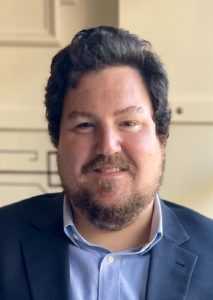
I’m Wes. I write books and make podcasts. I also write magazine stories.
Previously, I was the Managing Editor of Texas Highways and a Senior Editor for Texas Monthly. I’ve been a Finalist for a National Magazine Award in Feature Writing and was a finalist for Writer of the Year at the City & Regional Magazine Awards in 2022.
My documentary podcasts Devil Town and Standoff have been downloaded millions of times. My next podcast series, with author Carol Dawson, is tentatively scheduled for release in Spring 2024.
I grew up in East Texas and live near Austin with my wife, Laura. You can reach me at wesferguson@gmail.com.
Podcasts
- Devil Town, from Imperative Entertainment, Fall 2022
- Standoff, also from Imperative, Spring 2022
- The Unforgotten, coming soon
- A Dance with Death, coming soon-ish
Books
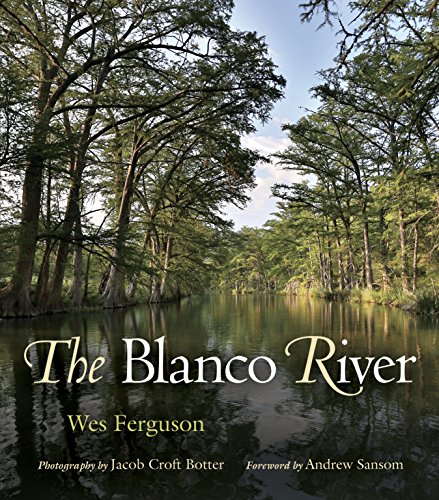
- The Blanco River, 2017
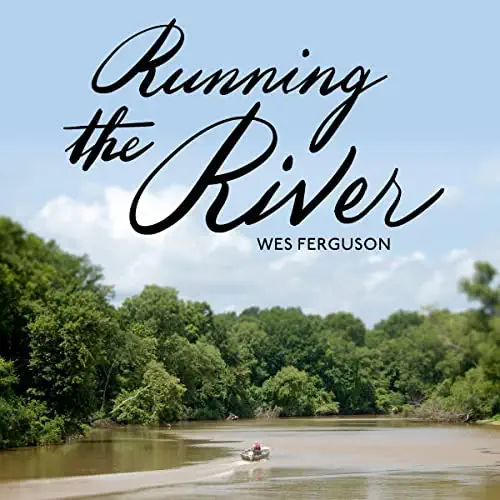
- Running the River, 2014 (released as an audiobook in 2022)
- A nonfiction book about El Camino Real de los Tejas, the first trail across Texas (work-in-progress)
- Through my teeny-tiny imprint, Pecos Press, I find and republish out-of-print books written by other authors I admire
Recent Awards
- Writer of the Year, Finalist, City & Regional Magazine Awards, 2022
- Leisure/Lifestyle Interests, Finalist, City & Regional Magazine Awards, 2022, for “How Texas Hunting Went Exotic”
- Feature Writing, Finalist, National Magazine Awards, 2020, for “When ‘Angels in America’ Came to East Texas”
- Profile Writing, First Place, Folio Magazine Awards, 2019, for “How Beaumont Photographer Keith Carter Redefined the Artform”
- Travel Feature Writing, Gold Award, International Regional Magazine Association, 2018, for “The Big Empty”
- Business Feature Writing, First Place, National Newspaper Association, 2014
Selected Articles & Essays
- “Who Shot Walker Daugherty?,” October 2021
- “Eat, Prey, Love: A Day with the Squirrel Hawkers of East Texas,” November 2021
- “The Surprising Story of How Salt Has Helped Shape Texas,” July 2020
- “Seeking Solitude, an East Texas Native Discovers an Island of Indelible Characters,” June 2019
Honors, Appointments & Leadership
- Council Member, Texas Institute of Letters, appointed 2022
- Fiction Judge, Texas Institute of Letters’ 2023 Jesse H. Jones Award for Best Book of Fiction
- Nonfiction Judge, Writers’ League of Texas 2021 Book Awards
- Inductee, Texas Institute of Letters, 2019
- Writer in Residence, Guadalupe Mountains National Park, 2017
- Writer in Residence, Madroño Ranch: A Center for Writing, Art, and the Environment, 2015
Public Appearances
- Dobie Dichos literary event, November 2022
- Conference on Texas: Changing Landscapes, The Witte Museum, San Antonio, May 2022
- Viva Texas Rivers!, The Wittliff Collections, Texas State University, May 2022
- Texas Book Festival, November 2021
- The Bookmark, KAMU, March 2020
- Katherine Anne Porter Literary Center, April 2017
- “East Texas in Story and Song,” The Wittliff Collections, Texas State University, October 2014
Anthologized Work
- “The Lost Sabine” and “The Blanco River,” Viva Texas Rivers!: Adventures, Misadventures, and Glimpses of Nirvana along Our Storied Waterways,” 2022
- “The Lure of a Good Truck,” “Why a Mexican Village Celebrates Juneteenth,” “The Seven Territories of Texas,” “These Creatures Can and Will Kill You, Maybe,” and “The Secret Swimming Hole,” Being Texan: Essays, Recipes, and Advice for the Lone Star Way of Life, 2021
- “Let the River Run,” Tales from the River: An Anthology of River Literature, 2018

In the News
- “New podcast focuses on infamous 1992 East Texas disappearance” — Longview News-Journal
- “Wes Ferguson & Imperative Entertainment Team For Prison Siege Podcast ‘Standoff’” — Deadline
- “‘Standoff’ podcast chronicles Mexican drug lord Fred Carrasco and the Huntsville Prison siege” — San Antonio Express-News
- “The epic rise and fall of Mexican drug lord Fred Carrasco, and his infamy in San Antonio” — Texas Public Radio
- “Texas Monthly Receives Four National Magazine Award Nominations” — Texas Monthly
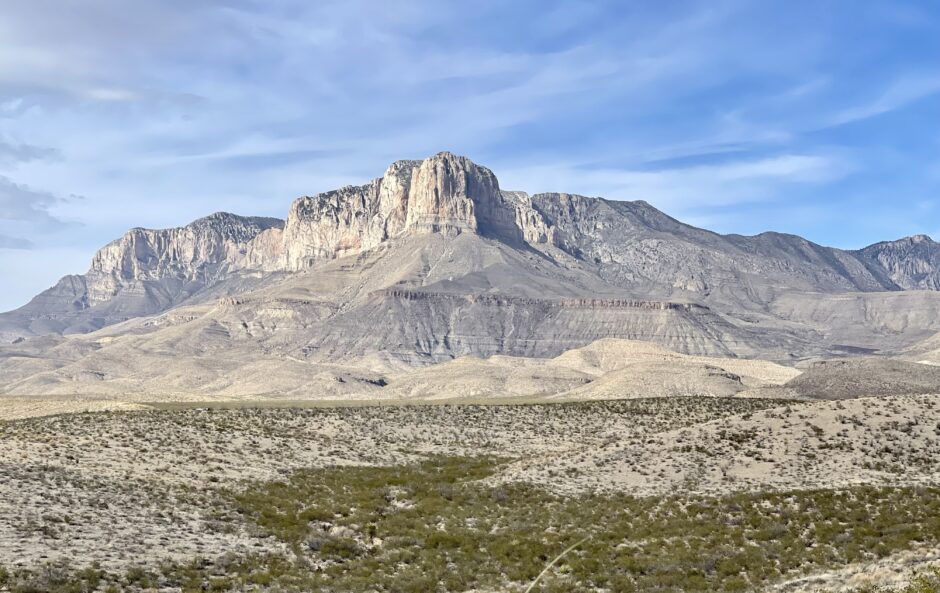
Good Guad Land Co.
If you want to get dusty, you are welcome to camp on my land in West Texas. It’s called the Good Guad Land Co.